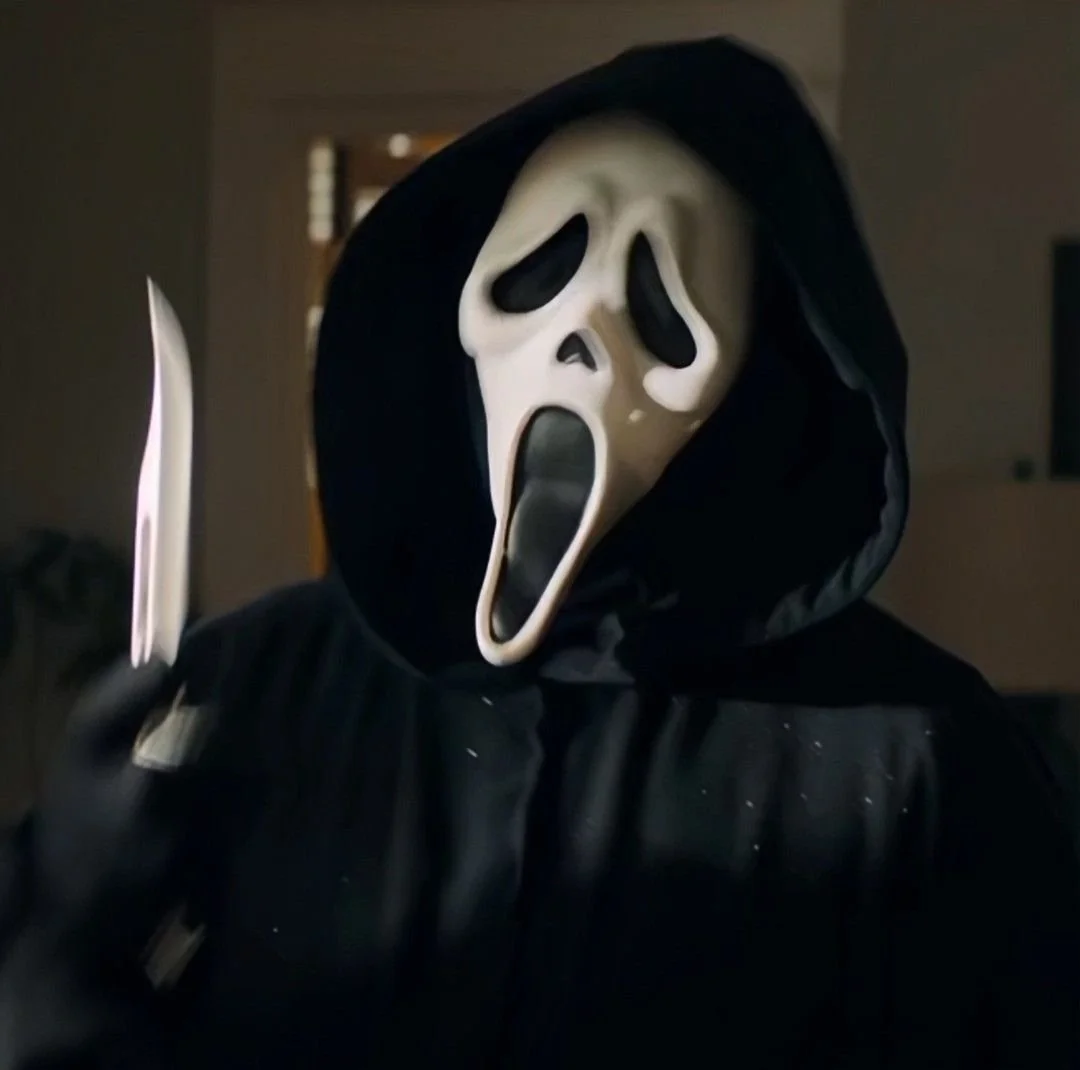
A Ghostface PFP works on a principle almost no other horror-icon avatar shares: the mask has no fixed face behind it. Since Wes Craven's original Scream premiered in 1996, Ghostface has functioned less like a single villain and more like a costume passed between different killers in nearly every film. That means the same white mask and black robe can signal pure slasher nostalgia, fresh relevance with newer installments, or dark irony depending on which image you pick. The elongated screaming mouth and hollow eyes need no context, yet the character leaves room for genuinely different tones, from stripped-down 1990s dread to meme-driven images that treat the killer as a punchline.
Ghostface Identity PFP
Unlike most horror icons, Ghostface is not one continuous character wearing the same mask across films. It is an identity reassigned to new killers almost every installment, from Billy Loomis and Stu Macher in the original 1996 film to Amber Freeman and Richie Kirsch in the 2022 reboot. That mechanic is the single most distinctive thing about the character, and it is worth understanding before picking an avatar, since most fan edits deliberately avoid revealing which killer is under the mask. For a PFP, this ambiguity is an advantage: because no single face is permanently tied to the costume, a Ghostface avatar reads as pure anonymous menace rather than referencing one specific performance. Fan edits that lean into this angle often crop the mask against total darkness with no visible body, reinforcing the idea that the threat could be anyone.

Aesthetic Ghostface PFP
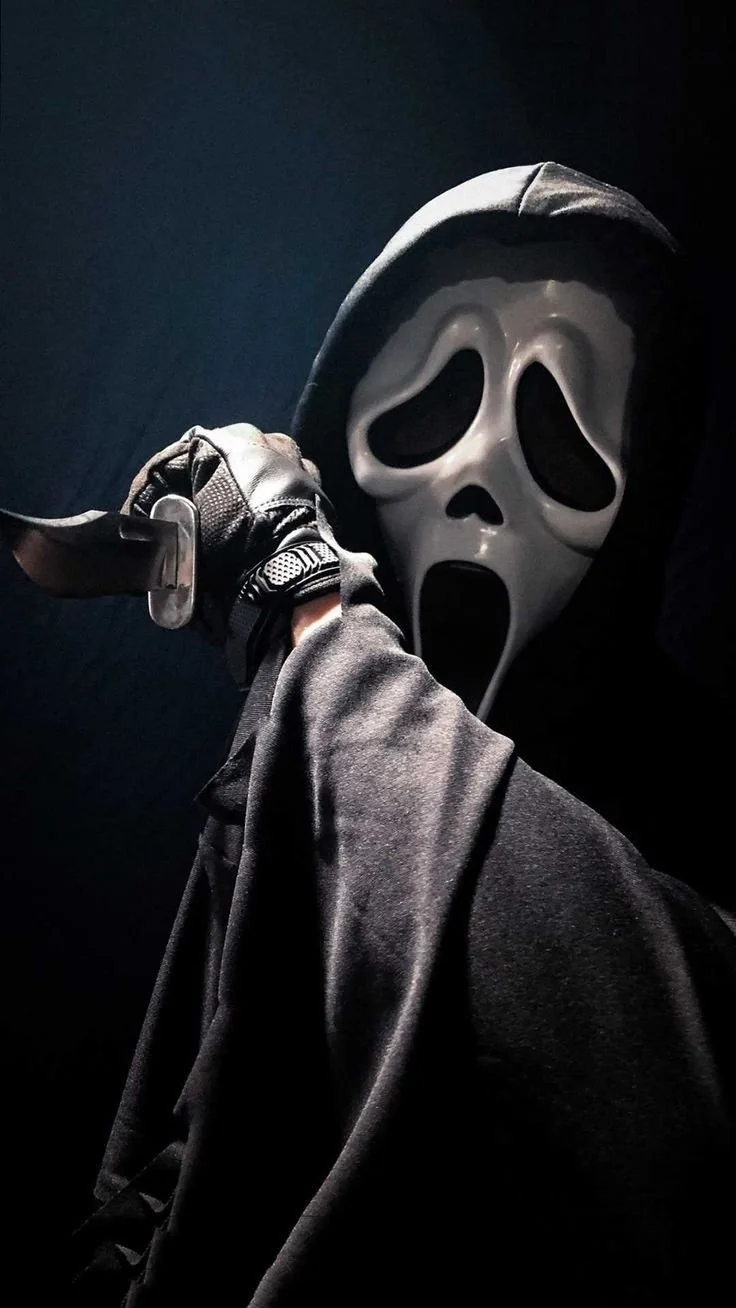
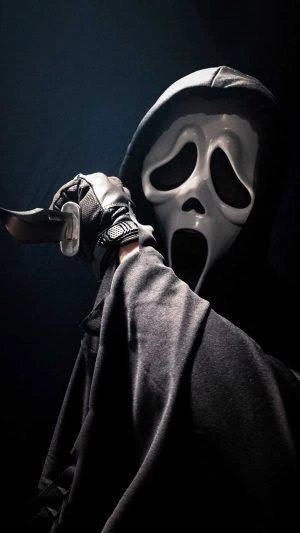
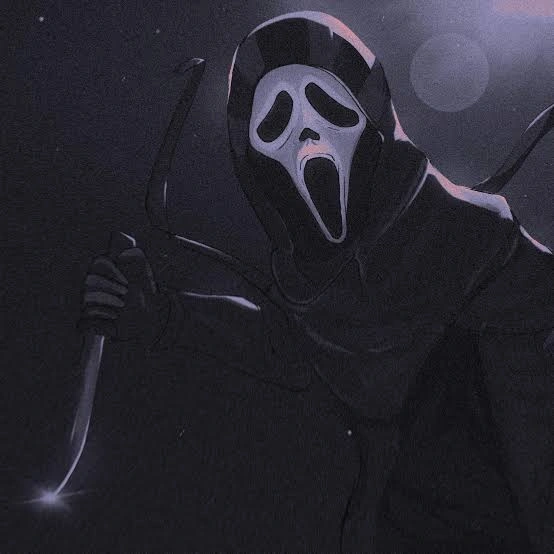
Aesthetic Ghostface edits lean into the mask's built-in monochrome contrast rather than adding color for its own sake. The stark white face against a black hood already does most of the compositional work. Fan art in this category typically desaturates any remaining color entirely, sometimes adding faint grain or a vignette for a film-still texture rather than a clean digital render. Lighting matters more here than in almost any other category: a single hard light source from below or the side, throwing deep shadow into the mask's hollow eyes, produces the moody, cinematic look far more effectively than flat, even lighting. Backgrounds tend toward negative space: fog, a dark hallway, an out-of-focus porch light. The mask's shape needs almost nothing around it to read as complete, and a busy background competes with the silhouette. The emotional tone leans closer to dread than aggression, a stillness that suggests the killer is waiting.

Cool Ghostface PFP
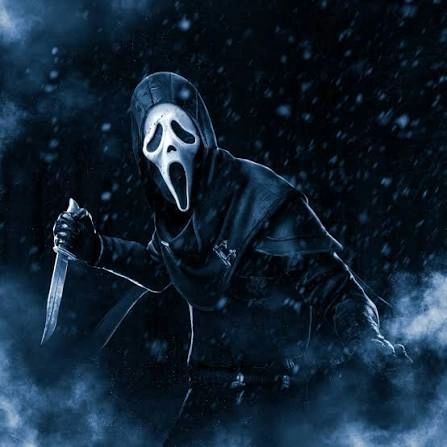
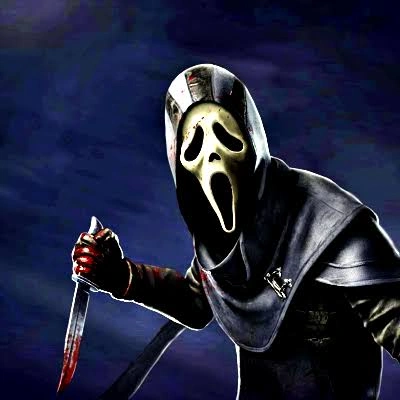
Where the aesthetic category is about mood and restraint, cool Ghostface PFPs lean into intensity and motion: a mid-lunge pose with the robe flaring, or a close crop timed to the moment right before an attack. This is the category built for gaming and Discord profiles that want straightforward intimidation rather than cinematic subtlety. Color grading runs higher-contrast and occasionally introduces a single accent tone, blood red against the black-and-white base, that the more restrained aesthetic category deliberately avoids. The goal is not quiet dread but an immediate, punchy visual hit that reads as confident rather than unsettling.
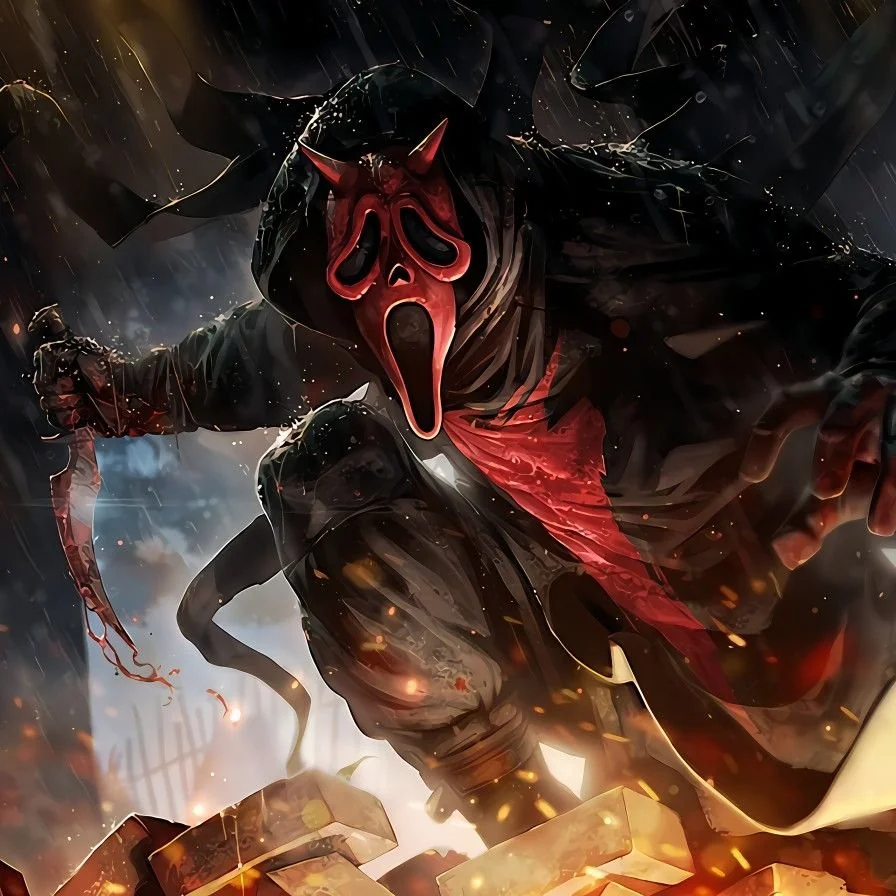
Ghostface PFP Cute
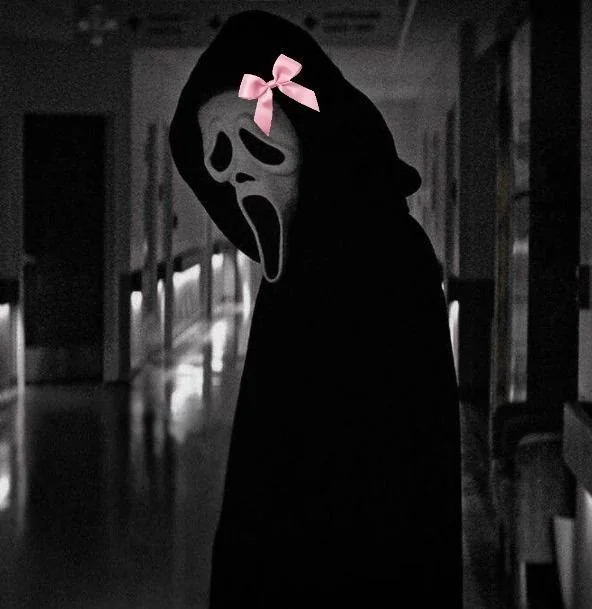
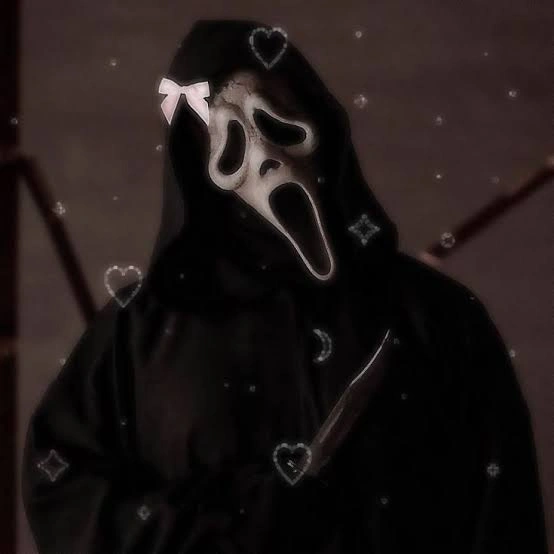
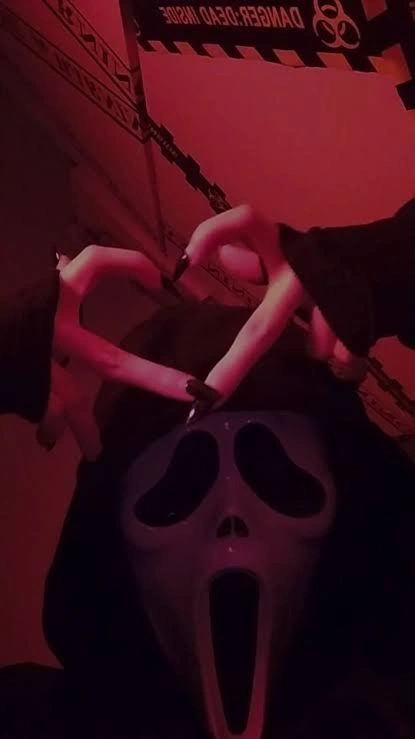
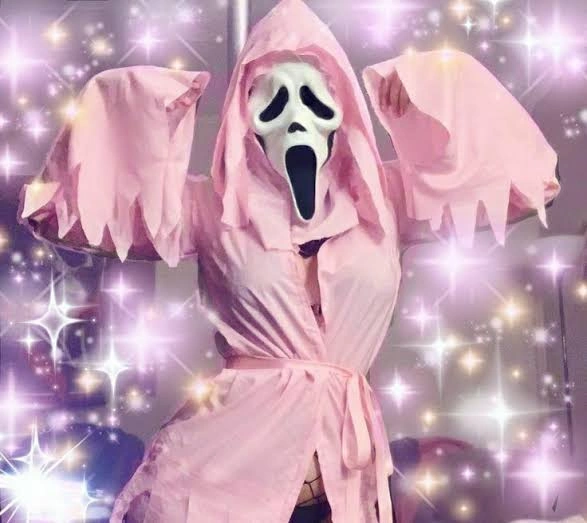
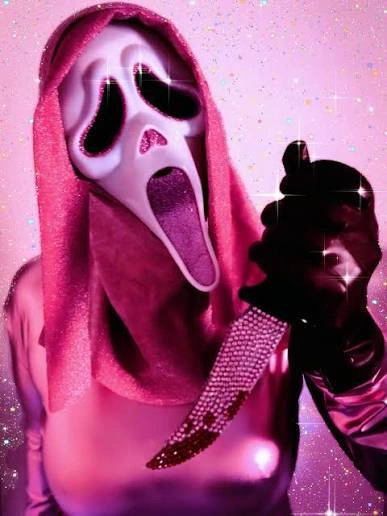
Cute Ghostface edits play on the contrast: the same white mask and black robe, redrawn with pastel colors, heart stickers, a soft blush on the mask or a cozy sweater. The joke is that the scariest mask in horror looks almost friendly when it is pink. These suit Instagram, Pinterest and WhatsApp profiles where the avatar should be spooky without being intimidating.
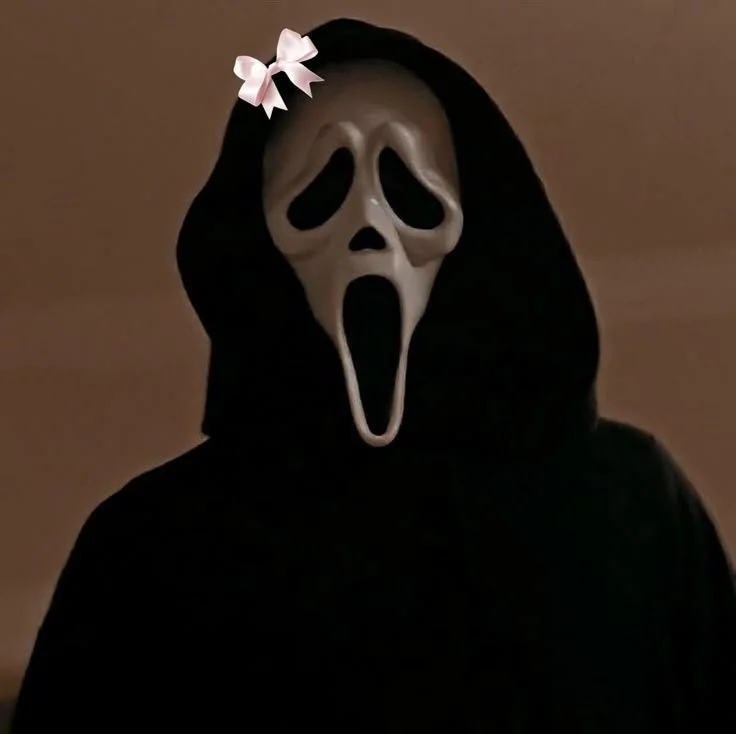
Ghostface PFP Funny
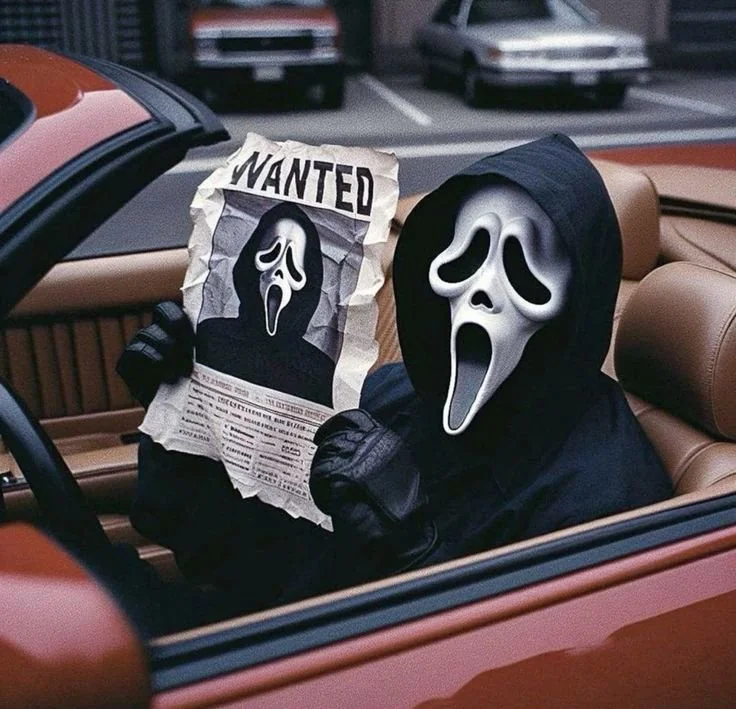
Funny Ghostface PFPs lean on the Scream movies' own humor: the killer on the phone asking about scary movies, a goofy pose, a meme caption or the mask photoshopped into an everyday scene. The franchise has always mixed horror and comedy, so these edits feel faithful rather than forced. They suit Discord and TikTok, where the reference lands in a second.

Ghostface PFP Y2K
Y2K Ghostface edits put the 1996 mask through late-90s and early-2000s internet style: chrome text, glitter, low-resolution camcorder grain and the neon colors of old forum signatures. It fits because Scream itself is a 90s artifact — the mask, the corded phone, the video-store era of horror. These suit TikTok and Pinterest profiles built around nostalgia.

Ghostface PFP Aesthetic Edits
Aesthetic Ghostface edits are the softer sibling of the main aesthetic section: muted tones, film grain, a single porch light in the dark and the mask half in shadow. The mood is quiet dread rather than a jumpscare — the killer waiting, not attacking. These suit styled Instagram feeds and Pinterest boards where the horror has to look deliberate.
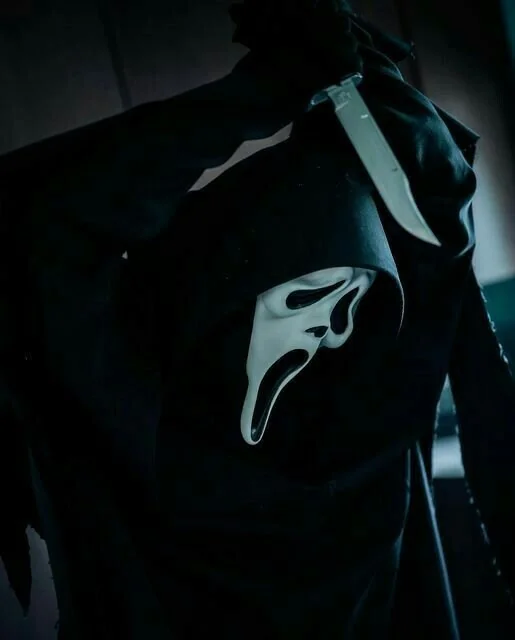
Ghostface PFP 4K
4K Ghostface art pays off because the mask is all detail: the texture of the rubber, the hollow eyes, the stretched screaming mouth. A sharp source keeps those details after cropping, so a close-up of the mask still looks crisp on a large display. A blurry mask shot just looks like a white blob, so resolution matters more here than for most horror icons.

Ghostface PFP Girl
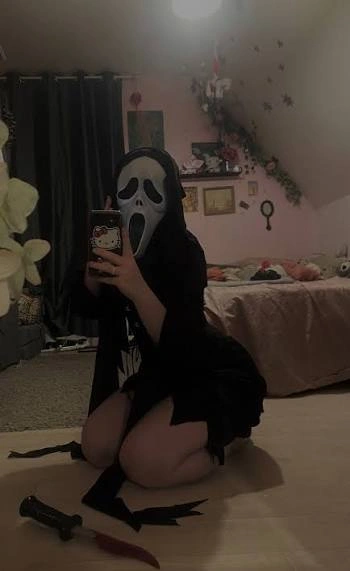
Girl Ghostface edits mix the mask with softer styling: pink and pastel tones, floral details, fashionable outfits and the black robe kept as the anchor. The contrast is the point — feminine styling against the most recognizable horror mask there is. These suit Pinterest, TikTok and Instagram profiles where the avatar should feel both stylish and a little dark.

Ghostface PFP Boy
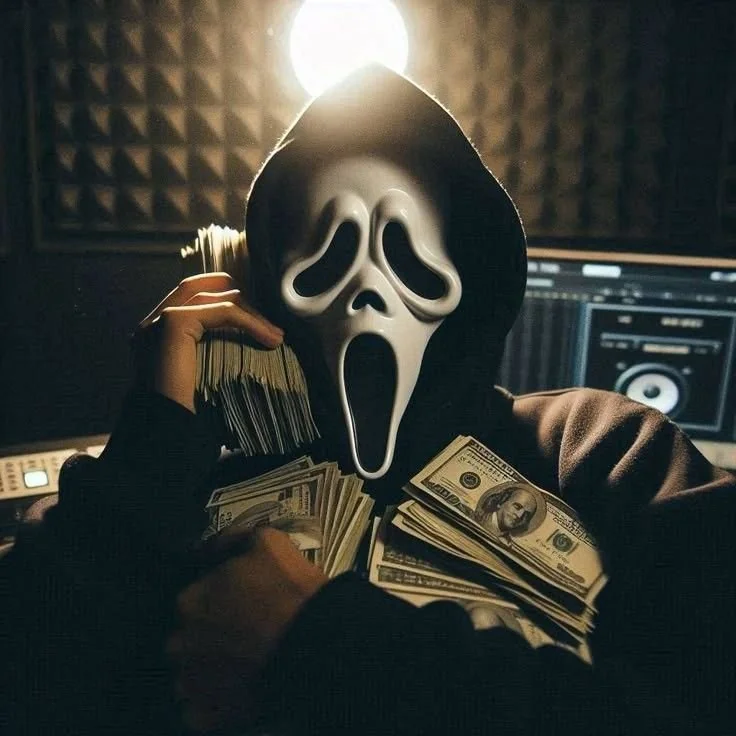
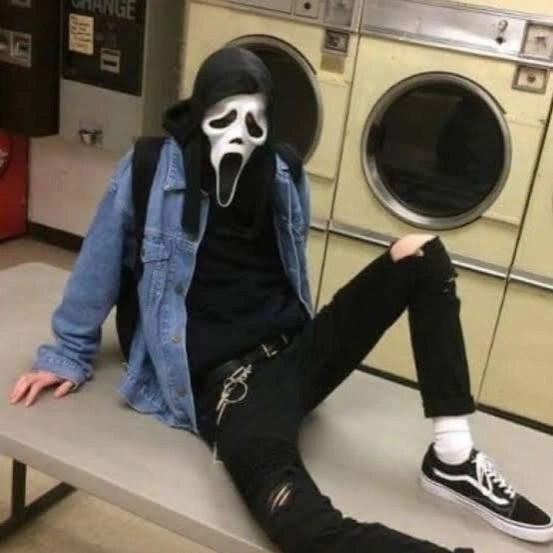
Boy Ghostface edits keep it darker: streetwear, bold lighting, the mask against a black background and a confident pose. The look borrows from streetwear edits — heavy shadows, strong contrast, minimal color. These suit Discord and gaming profiles where the avatar should read as cool and a little menacing.
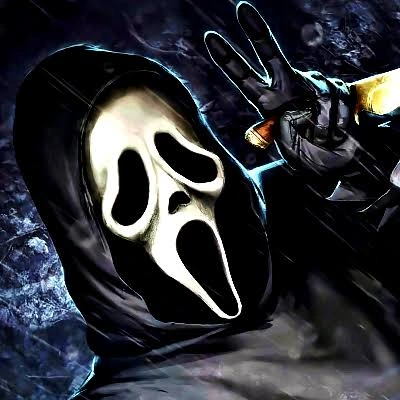
Ghostface PFP Black and White
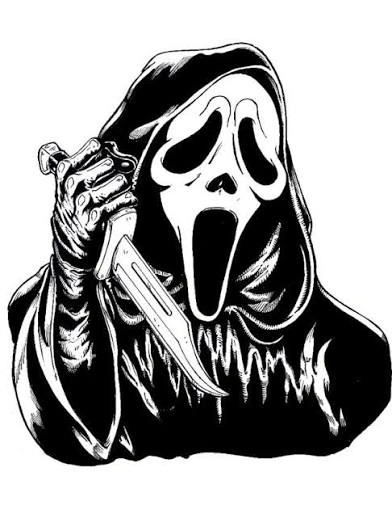
Black-and-white Ghostface edits are almost redundant — the mask is already monochrome — but that is why they work. Removing the last traces of color turns the image into pure shape: white mask, black hood, hollow eyes. A film-grain finish makes it feel like a still from the 1996 original, and the result suits any profile theme without clashing.

Ghostface PFP Pinterest
Pinterest Ghostface art favors composed, shareable images: the mask in soft light, a styled horror still, a minimal black-and-white portrait with space around it. The platform rewards images that look like prints, so the best picks are the ones with a clear focal point and a calm, deliberate mood rather than a loud jumpscare.

More Ghostface PFPs
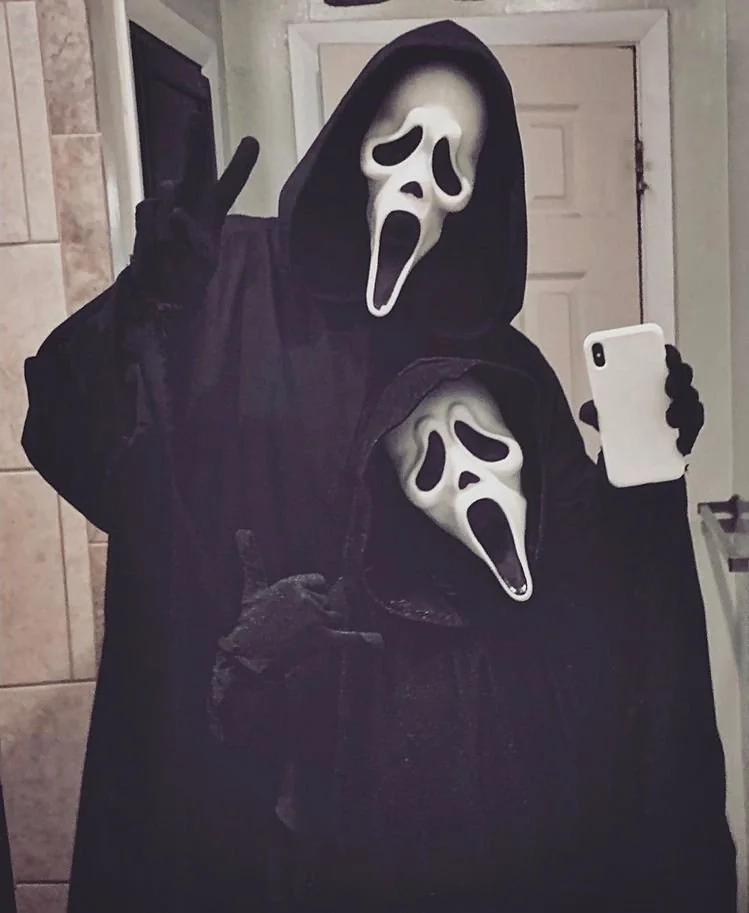
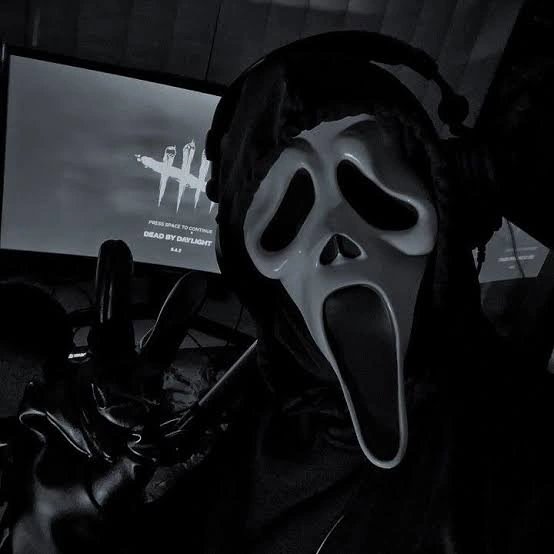
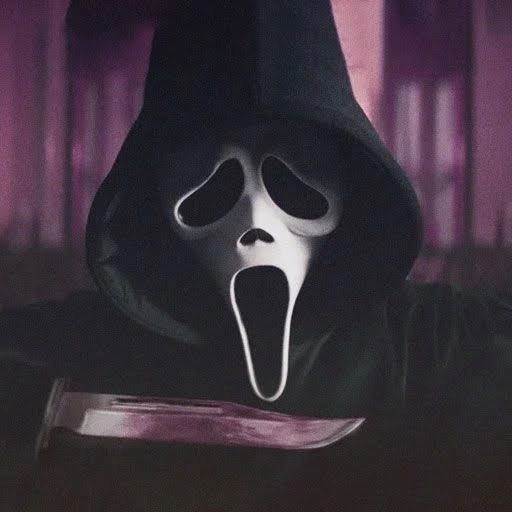
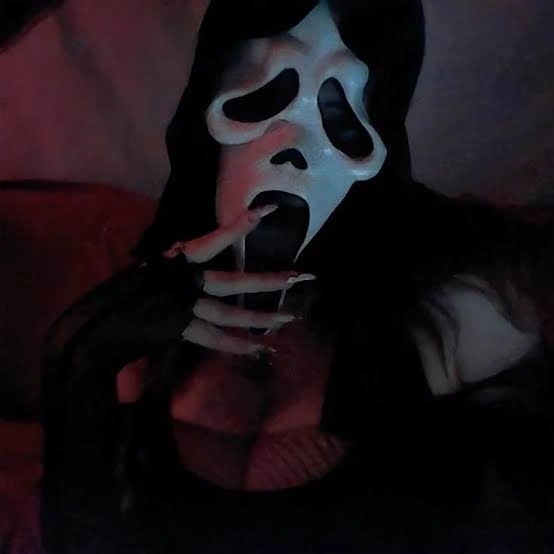
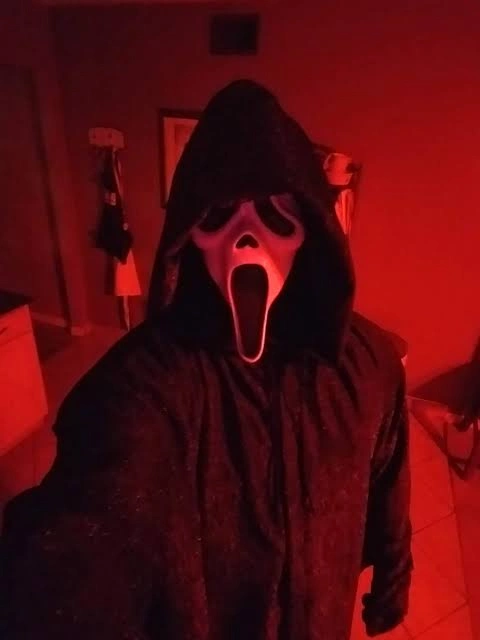
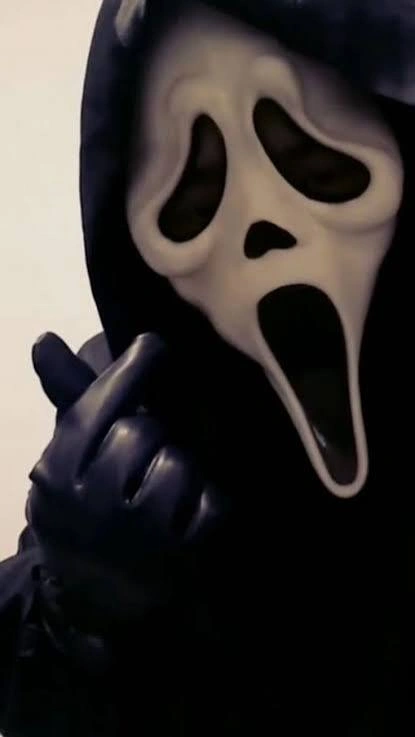
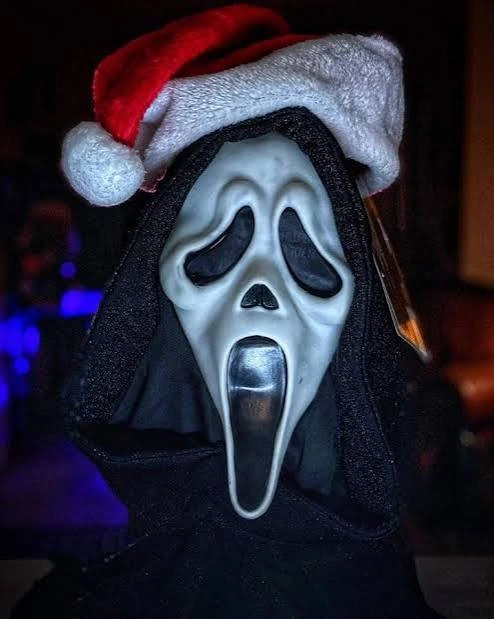
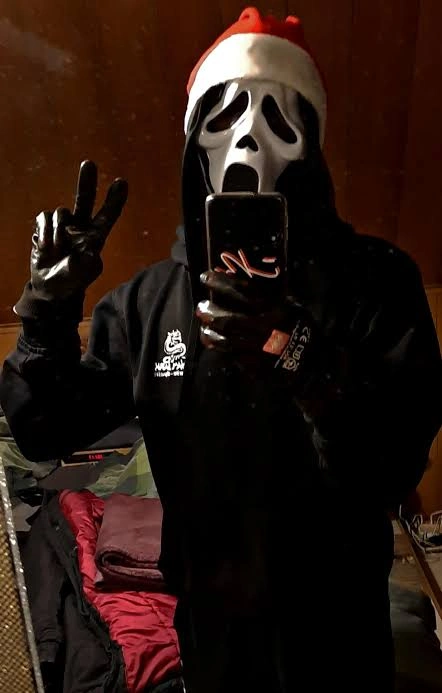
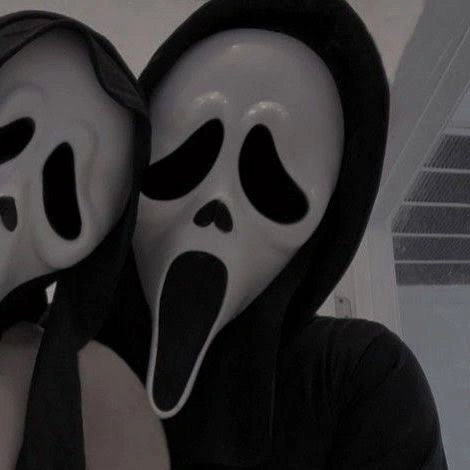
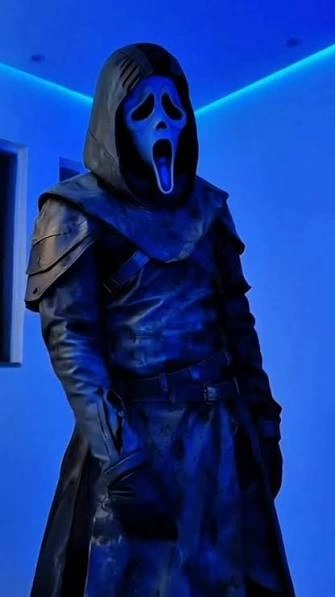
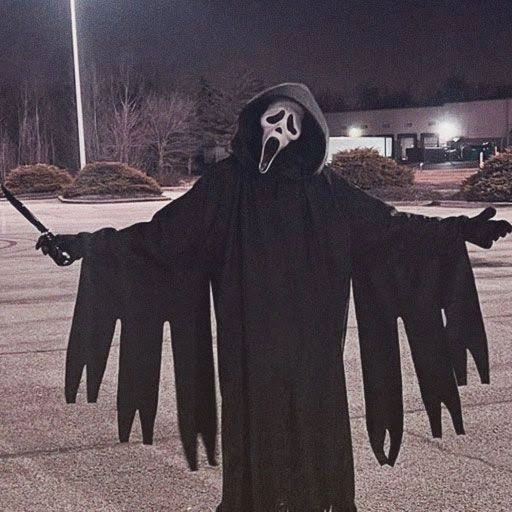
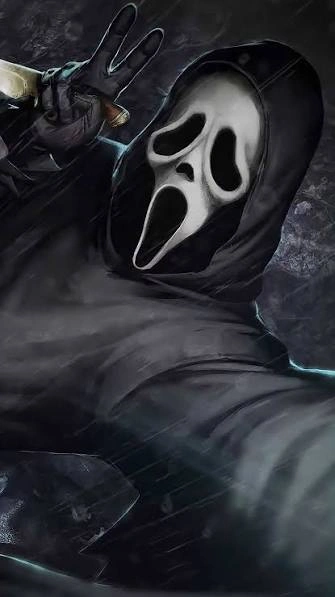
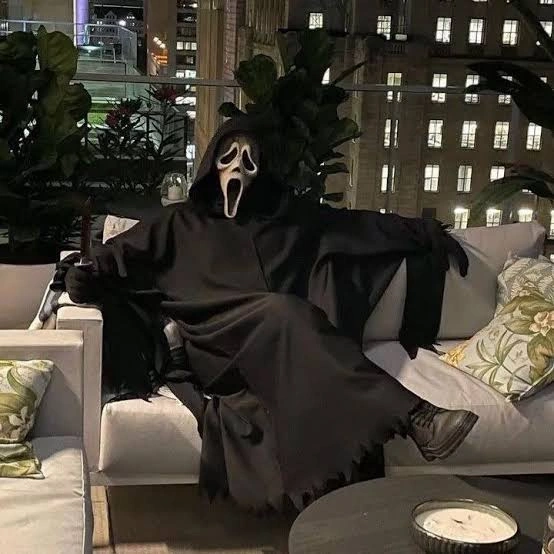
Browse the full gallery below — tap any image to view it full size, then save it as your profile picture.





















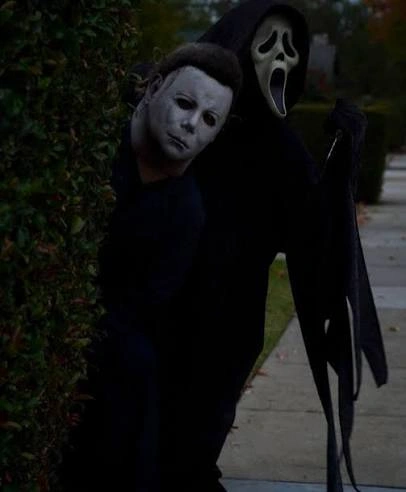

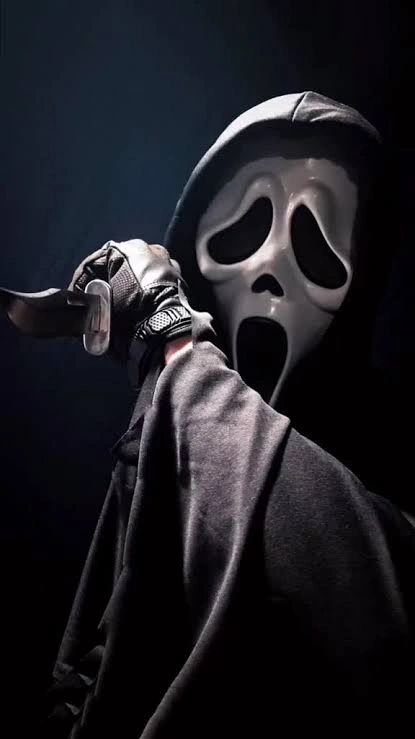
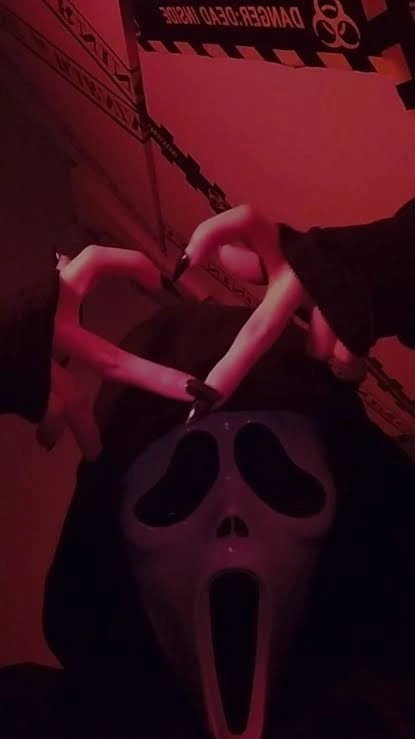
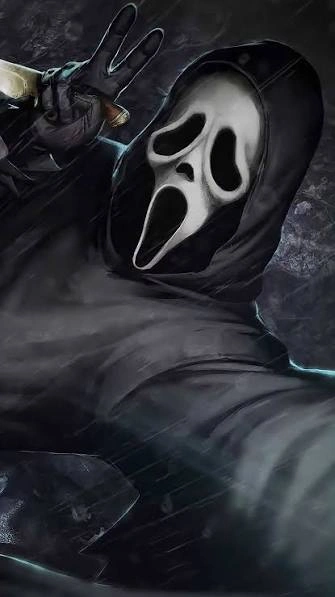
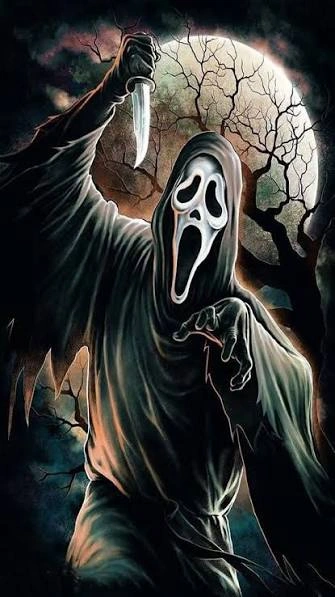


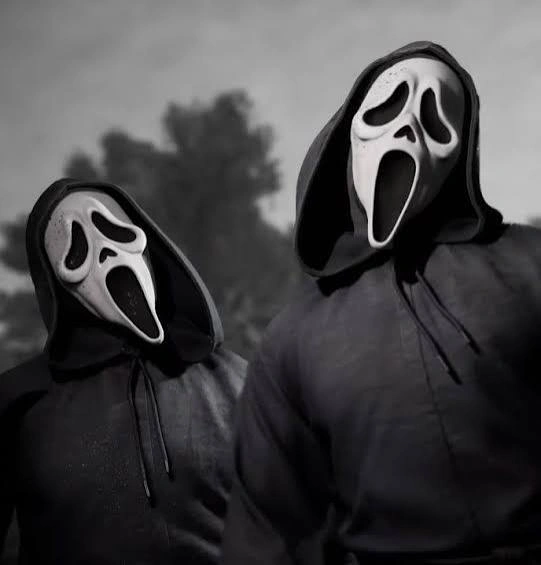


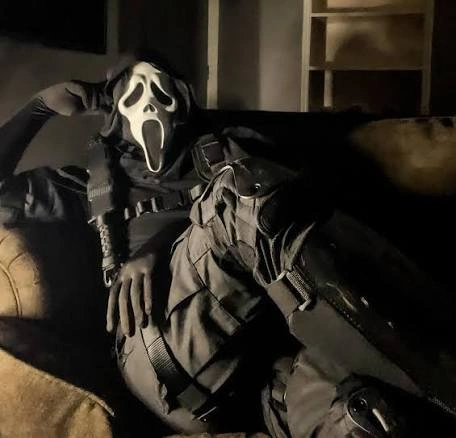

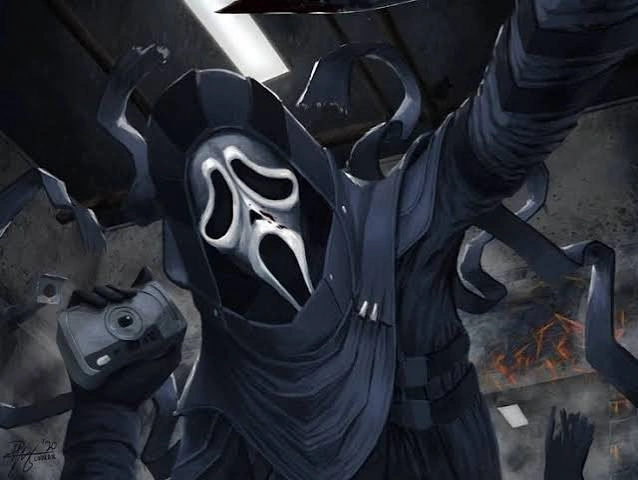


Frequently Asked Questions
Why is Ghostface such a popular PFP?
The mask is instantly recognizable with no fixed face behind it, so it works for horror nostalgia, dark irony, cute edits, and memes alike. It has stayed a PFP staple for almost thirty years.
What is a Ghostface identity PFP?
An edit that plays on the franchise mechanic: the mask passes between different killers in each film. Cropping the mask against darkness with no visible body keeps the threat anonymous.
Which Ghostface style suits Discord?
Cool and funny edits. Intense action crops bring intimidation for gaming servers, while memes and goofy poses spark conversation in casual communities.
Are cute Ghostface PFPs popular?
Yes, and the appeal is the contrast. A pastel mask with heart stickers is funny precisely because the original is so frightening. They work best on Instagram, Pinterest and WhatsApp, where the avatar should feel playful — save the scarier edits for horror communities.
Do black and white Ghostface images work well?
They are the safest pick in the whole collection. The mask is already black and white, so a monochrome edit loses nothing and gains a film-still feel. They suit any profile theme, from minimal to horror, and they stay sharp at any size.